Strategic Communications Campaign Proposal
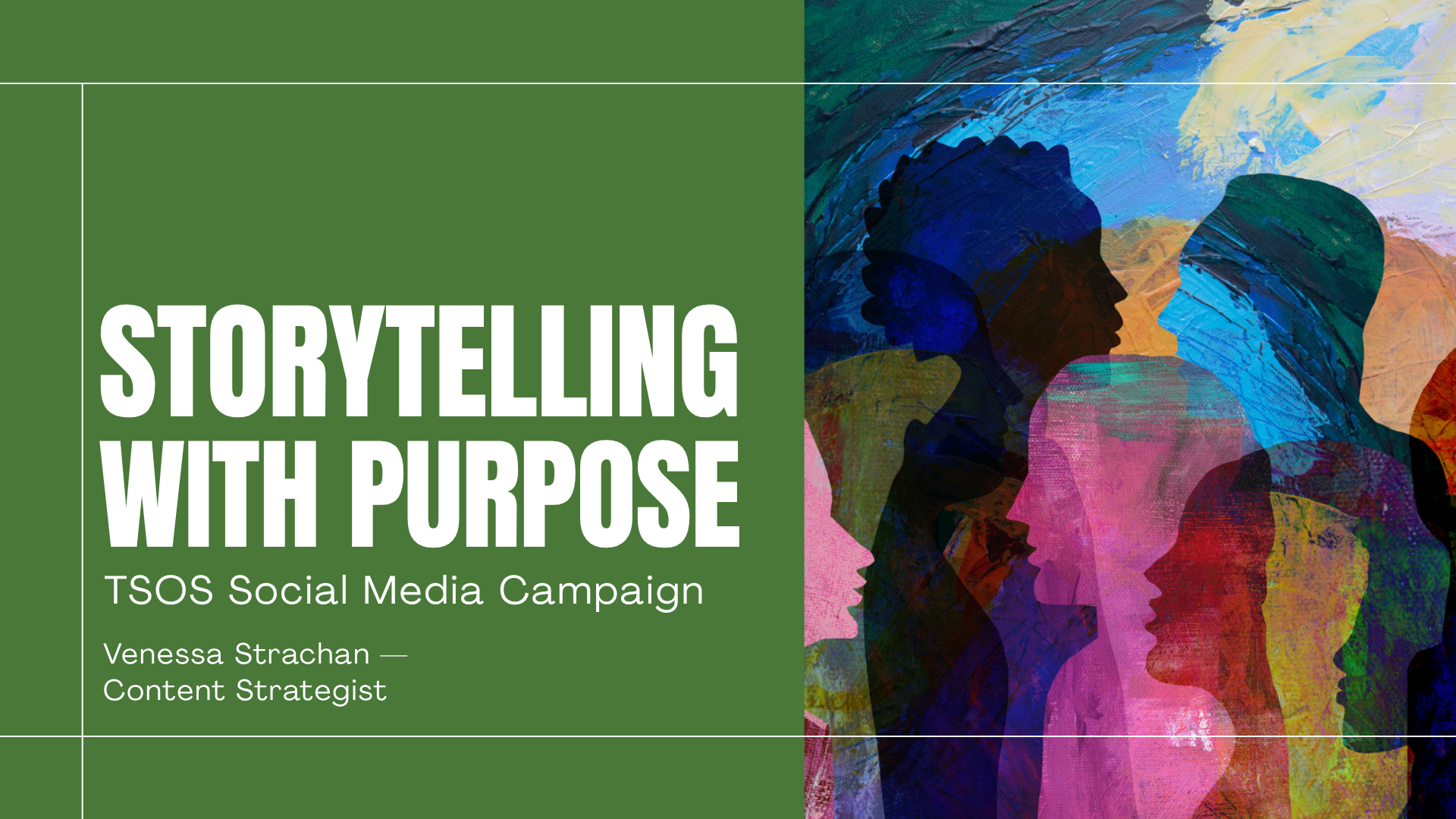
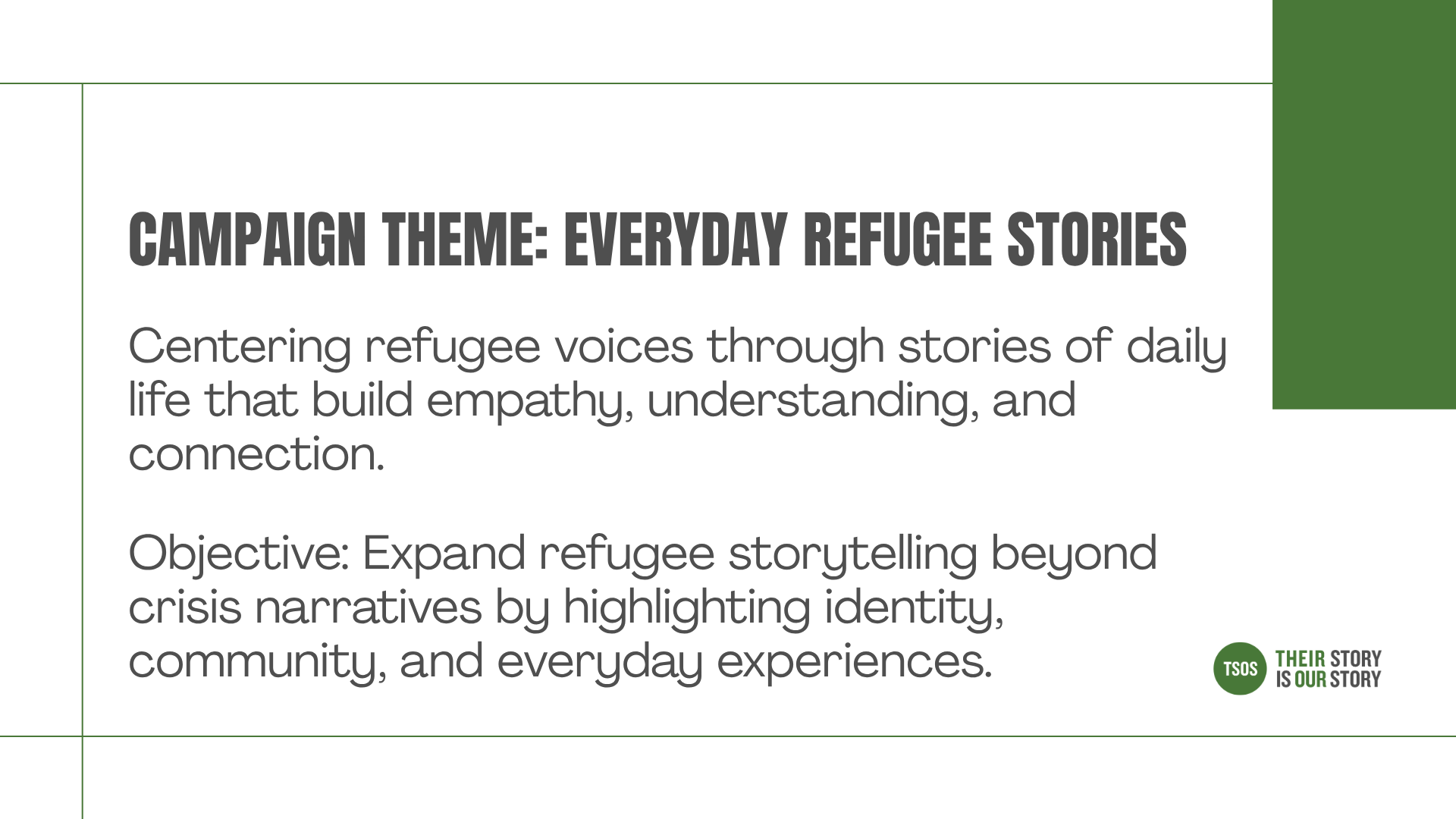
Developed a strategic communications campaign proposal for organizational leadership. The presentation outlined the campaign theme, messaging direction, audience approach, and visual strategy for centering refugee voices through human-centered storytelling.
Email Campaign
Mock donor email concept created for African Voices to demonstrate email storytelling, donor engagement, and campaign strategy.
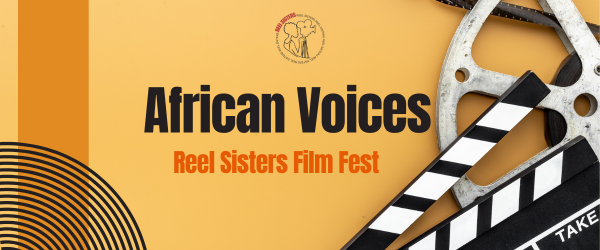
Header image designed for the Reel Sisters Film Fest, capturing the spirit of independent Black women filmmakers and community storytelling.
Designed to evoke warmth, creativity, and community impact — core themes of African Voices’ mission.
Dear Friend,
Every day, artists and filmmakers of color tell stories that expand how we see the world — stories that spark empathy, preserve history, and build bridges across generations.
At African Voices, we’re committed to amplifying those voices through our film festivals, youth workshops, and storytelling programs. But we can’t do it without your support.
Your contribution helps us:
Provide platforms for underrepresented filmmakers
Offer creative writing workshops for emerging artists
Keep community events like Reel Sisters Tea & Cinema Series accessible to all
Donate today to help us continue telling stories that matter.
Together, we can ensure that the next generation of creators has the tools — and the stage — to shine.
With gratitude,
The African Voices Team
P.S. Last year, thanks to donors like you, we helped 30 young filmmakers produce short films — join us in doing more.

Email structured for clarity and emotional impact — balancing storytelling with a clear call to action.
PUBLISHED BOOK REVIEW - CHILDREN’S LITERATURE
Children’s Literature, a CLCD company, published several of my reviews of children’s and young adult books, helping educators, librarians, and families evaluate titles for their readers.
Brooklyn's own friendly neighborhood Spider-Man has the answers to the most pressing questions about his new life as a superhero. He's heard them all before, and he revels in the curiosity and excitement that surrounds him when he dons his bug-eyed mask and black, skin-tight bodysuit, or when he travels through the city, all too recognizable as he swings between building tops and shoots his webs with sweeping ease.
He answers them as best he can while simultaneously fighting crime and taking pictures with starstruck fans. Spider-Man, working in tandem with an appreciative police force, seems to have it all under control--until he doesn't. Thankfully his best friend and tech genius Ganke keeps him grounded. He manages to separate his supernatural life from his everyday life until they collide in an unexpected way. In this graphic novel, Spider-Man gets his hands on a highly coveted mysterious rock belonging to mega company Serval Industries. Now Miles and Ganke must join forces with new student Kyle, whose father has suddenly gone missing, to unshroud the mystery surrounding the rock and the company.
Readers see Spider-Man spring into action to uncover the truth about the rock and Kyle's missing father. All the while, Miles Morales, the kid behind the mask, must wrestle with shocking news about an earthquake in Puerto Rico and the devastation it causes to his mother's family home. Spider-Man leans on his supernatural powers to help save the day, while Miles puts his hopes in spearheading a fundraiser to help his mother's home country.
Readers will see themselves in Miles' every attempt to be his best self, supernatural powers or not. Reynolds creates a relatable protagonist who wants equally to learn the new internet dance craze and to accurately trap bad guys with the spray of his web. Leon's bold illustrations capture Spider-Man's every flight and pensive repose on the side of a building with a precision that brings his cool superpowers to life. Though there is a delicate balancing act between Spider-Man's crime-fighting life and Miles Morales' extraordinary life, this story webs a connection between the two with an unexpected plot twist. Young readers will enjoy the action and mystery. Teachers will find this engaging graphic novel, and its spotlight on diverse perspectives, a welcome addition to their libraries.
Published Article
This article was published in The Educator’s Room and reflects on the challenges of standardized testing during the COVID-19 pandemic. Drawing from my experience as an educator, the piece explores how assessment practices must evolve to better reflect equity, access, and the realities of disrupted learning environments.
Reassessing How We Test: Lessons from a Pandemic Classroom
“Will this test even count?” one of my students asked during a Zoom class at the height of the pandemic. Normally shy, he spoke for the entire class when voicing his uncertainty about state assessments. Like many teachers, I stumbled through an answer without clarity because none of us truly knew how these exams would unfold in such an unprecedented year.
The U.S. Department of Education eventually allowed states to administer shortened versions of state exams, with flexibility built into the system. As Ian Rosenblum of the Department’s Office of Elementary and Secondary Education noted at the time: “State assessment and accountability systems play an important role in advancing educational equity. At the same time, the pandemic requires significant flexibility.”
That flexibility was essential. Students had faced months of remote learning, varying levels of access to resources, and social-emotional challenges that no standardized exam could fully capture. Teachers, too, were stretched thin, navigating quarantines, hybrid schedules, and dwindling instructional time.
The bigger question remains: what should summative assessments look like in an era of ongoing disruption? The pandemic has laid bare long-standing inequities in education, widening opportunity gaps between advantaged and disadvantaged students. Measuring learning requires more than filling in bubbles on a scan sheet—it requires rethinking what truly counts as progress and success.
As schools continue to adapt, one thing is clear: assessment must evolve, prioritizing equity, flexibility, and meaningful reflection over rigid systems that no longer reflect the realities of today’s classrooms.
Web Content
Etsy Shop Banner for Apple-Lee Prints — designed as the web storefront header to align with brand colors, communicate my shop’s niche (twin nursery art), and optimize for both desktop and mobile viewing.
I focused on clear typography and warm color tones that reflect the brand’s tagline ‘Premium Prints for Mamas and Multiples.’ This asset serves as the visual anchor for the shop’s online presence.
